
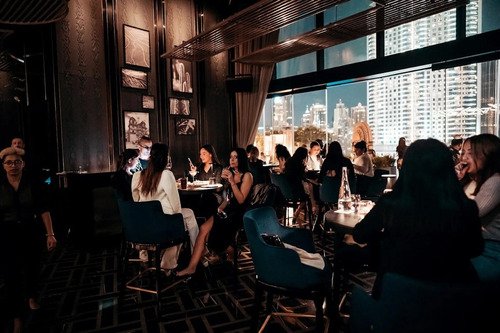
Dubai’s dining scene has grown into a vibrant global crossroads where culinary tradition meets bold innovation. In recent years, top Japanese restaurants in Dubai have risen to prominence by honoring Japan’s rich culinary heritage while reimagining its flavors for a cosmopolitan audience. From authentic sushi bars to inventive fusion eateries, Dubai chefs are mastering the delicate balance between respect for centuries‑old techniques and experimentation that pushes boundaries.
The Allure of Japanese Cuisine in Dubai
Japanese cuisine has long fascinated food lovers with its elegance, precision, and focus on the freshest ingredients. In Dubai, this fascination has blossomed into an exciting chapter of cross‑cultural culinary creativity. Diners today seek experiences that go beyond ordinary meals; they want stories, artistry, and memorable flavors. As a result, many of the city’s popular restaurants specializing in Japanese food are redefining expectations with inventive menus that celebrate both heritage and creativity.
Tradition as the Culinary Foundation
At the heart of Japanese cooking lies a deep respect for tradition. Whether it’s the meticulous knife skills involved in preparing sashimi or the centuries‑old fermentation methods that produce soy sauce and miso, Japanese cuisine is grounded in time‑honored practices. Many Dubai chefs have trained extensively in these traditional techniques, often spending years working under seasoned masters or studying in Japan itself.
This foundation is crucial because it provides chefs with the technical precision and cultural understanding needed to innovate responsibly. Traditional elements such as rice preparation, seafood selection, and balance of umami are integrated into every dish, ensuring authenticity even when interpretations are modern.
Innovation Through Global Fusion
While tradition anchors their work, Dubai chefs are also known for their creativity and willingness to experiment. The city’s multicultural environment serves as an open kitchen for culinary exchange, inspiring chefs to fuse Japanese techniques with flavors from Latin America, Southeast Asia, and the Middle East. This spirit of innovation has given rise to exciting hybrid cuisines that intrigue both locals and international visitors.
For instance, the adoption of Nikkei cuisine, a fusion of Japanese and Peruvian culinary traditions, has become a hallmark of many contemporary Japanese kitchens in Dubai. By blending classic Japanese methods like sushi and sashimi preparation with Peruvian ingredients such as aji peppers and citrus infusions, chefs create dishes that are both familiar and refreshingly new. This creative blending doesn’t discard tradition; instead, it evolves it into something dynamic and contemporary.
Seasonal and Local Sourcing
Another trend shaping Japanese cuisine in Dubai is a growing emphasis on seasonal and locally available ingredients. Traditionally in Japan, chefs pay close attention to the seasons, highlighting the freshest produce in every dish. Dubai’s chefs adopt this philosophy by sourcing premium local seafood and regional produce, then combining them with imported Japanese staples like miso, nori, and sake.
This approach has two major benefits: it supports sustainability by reducing reliance on long‑distance imports, and it allows chefs to reinterpret Japanese classics through the lens of the local environment. The result is a roster of dishes that feel both authentic and uniquely tailored to the Emirati palate.
The Art of Presentation
Japanese cuisine is deeply connected to the idea of wabi‑sabi — an aesthetic that finds beauty in simplicity and imperfection. Presentation is not merely decoration; it reflects careful thought, harmony, and balance. In Dubai’s upscale dining scene, chefs elevate this visual tradition even further, turning each plate into a work of art.
From delicate edible flowers to minimalist plating that highlights each ingredient’s natural allure, top Japanese restaurants in Dubai take presentation seriously. Such attention to detail enhances the dining experience, making every meal an aesthetic journey in addition to a culinary one.
Embracing Interactive Experiences
Modern diners are increasingly engaged by interactive dining experiences. Sushi bars where chefs prepare dishes in front of guests have become highly sought after, creating a connection between kitchen and table. These experiences allow diners to witness mastery in action — from the rhythmic slicing of fish to the delicate formation of nigiri.
At the same time, omakase (chef’s choice) experiences are gaining popularity. In this format, chefs present a curated sequence of dishes that showcase their creativity and skill, often tailored to the freshest ingredients of the day. This form of dining elevates a meal into a narrative, where each course builds on the last to tell a story of flavor and technique.
The Role of Popular Restaurants in Shaping Trends
The influence of popular restaurants extends beyond their kitchens. These establishments serve as trendsetters, drawing attention from the media, food critics, and international visitors. They help define what modern Japanese dining looks like in a global city like Dubai, inspiring other chefs to explore new flavor combinations and refine their craft.
Popular restaurants also drive competition, pushing chefs to elevate quality and creativity. Whether it’s a minimalist sushi counter or a high‑end fusion dining room, these venues create benchmarks for excellence and drive the city’s culinary reputation forward.
What Diners Can Expect
For adventurous diners, Dubai offers a rich diversity of Japanese experiences. From traditional ramen and tempura to avant‑garde fusion menus, there’s something for every palate. Whether you seek the comforting umami of classic dishes or the exciting complexity of fusion creations, Dubai’s food scene delivers in style, creativity, and craftsmanship.
What unites these experiences is the commitment to excellence. Chefs blend tradition and innovation not for novelty’s sake, but to honor the integrity of Japanese cuisine while making it resonate with a global audience.
Conclusion
Dubai’s approach to Japanese cuisine reflects the city itself, a harmonious blend of tradition and innovation. Through dedication to authentic techniques, creative fusion, artistic presentation, and a global perspective, chefs in Dubai have crafted an unforgettable Japanese dining experience that ranks among the top Japanese restaurants in Dubai and famous restaurants worldwide.
At Nazcaa, you’ll discover expert culinary craftsmanship with breathtaking skyline views and unforgettable Nikkei‑inspired dishes that elevate every occasion. Offering private dining, events, and reservations for guests seeking world‑class Japanese fusion in Dubai, Nazcaa turns meals into memorable moments. Enjoy refined flavors and stylish ambiance atop one of the most iconic rooftops in the city.