
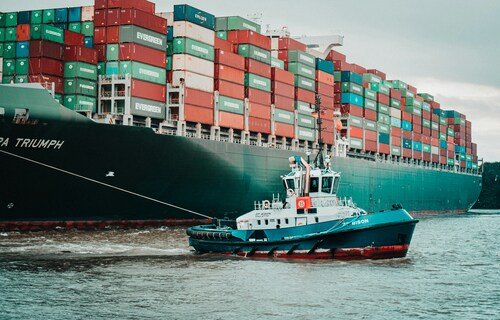
Introduction: The Future of Global Shipping
Global shipping has always been the backbone of international trade. More than 80 percent of the world’s goods are transported by sea, connecting manufacturers, suppliers, and consumers across continents. As global trade becomes faster, more complex, and increasingly data-driven, the shipping industry is entering a period of profound transformation.
The future of global shipping will be shaped not just by larger vessels or faster routes, but by digital connectivity. Technologies such as artificial intelligence, the Internet of Things, blockchain, and automation are redefining how goods move across oceans. In a digitally connected world, shipping is evolving from a traditionally fragmented industry into a highly integrated global system driven by real-time data, transparency, and predictive intelligence.
Understanding where global shipping is heading helps businesses, ports, logistics providers, and policymakers prepare for the next generation of maritime trade.
What a Digitally Connected Global Shipping Industry Means
A digitally connected global shipping industry is one where vessels, ports, cargo, and stakeholders are linked through shared data platforms and intelligent systems. Instead of relying on manual paperwork, delayed communications, and siloed processes, shipping operations are increasingly coordinated through digital networks.
This connectivity allows shipping companies to track vessels and cargo in real time, optimise routes based on weather and congestion, and respond faster to disruptions. It also enables better collaboration between shipping lines, port authorities, freight forwarders, customs agencies, and inland transport providers.
At a global level, digital connectivity improves supply chain resilience. When data flows seamlessly across borders, delays can be anticipated rather than reacted to. This shift is especially important in a world where geopolitical uncertainty, climate-related disruptions, and fluctuating demand have become the norm rather than the exception.
Digital Transformation in Global Shipping
Digital transformation in global shipping goes beyond simply adopting new software. It represents a fundamental change in how maritime operations are planned, executed, and evaluated.
One of the most visible changes is the move away from paper-based documentation. Electronic bills of lading, digital customs clearance, and cloud-based freight platforms reduce administrative costs and processing times. According to the International Maritime Organization, digitalisation is critical for improving efficiency, safety, and environmental performance across the maritime sector, as outlined in its work on maritime digital transformation and e-navigation initiatives.
Shipping companies are also investing heavily in data analytics. By analysing historical and real-time data, operators can identify inefficiencies, predict maintenance needs, and reduce fuel consumption. These insights support both commercial performance and sustainability goals, which are becoming increasingly important as emissions regulations tighten worldwide.
Digital transformation in shipping mirrors broader trends seen in other industries. For example, the increasing reliance on automated tools and data-driven decision-making has reshaped financial services, as explored in this analysis of the rise of automated tools in modern finance.
The same principles apply to shipping. Automation and intelligence are no longer optional upgrades. They are becoming core components of competitive advantage.
Role of Artificial Intelligence and Automation in Shipping
Artificial intelligence and automation are central to the future of global shipping. AI-driven systems can process vast amounts of data far faster than human operators, enabling smarter and safer decisions.
In vessel operations, AI is used for route optimisation, fuel efficiency modelling, and predictive maintenance. By analysing weather patterns, ocean currents, and port congestion, AI systems can recommend optimal routes that reduce transit time and emissions. Predictive maintenance tools use sensor data to identify potential equipment failures before they occur, reducing downtime and costly repairs.
Automation is also transforming port operations. Automated cranes, autonomous guided vehicles, and AI-powered scheduling systems improve cargo handling speed and accuracy. These technologies help ports manage higher volumes without expanding physical infrastructure, which is particularly valuable in space-constrained locations.
The World Economic Forum has highlighted the role of digitalisation and automation in creating more resilient and sustainable global trade systems, particularly through initiatives focused on smart ports and connected supply chains.
As AI and automation mature, they will increasingly support semi-autonomous and eventually fully autonomous vessels. While widespread adoption will take time due to regulatory and safety considerations, the direction of travel is clear.
The Future of Global Shipping
The future of global shipping will be defined by greater integration, transparency, and adaptability. Shipping companies will operate as part of digitally connected ecosystems rather than isolated service providers.
Environmental performance will play a major role in shaping this future. Digital tools enable more precise emissions tracking and reporting, which is essential as regulators and customers demand greater accountability. AI-powered voyage optimisation and energy management systems will support the transition to alternative fuels and lower-carbon shipping models.
Cybersecurity will also become a critical concern. As vessels and ports become more connected, protecting digital infrastructure from cyber threats will be just as important as physical safety at sea. Investment in secure systems and international standards will be essential to maintaining trust in digital shipping networks.
Interestingly, the digital transformation of shipping also reflects broader shifts in how individuals and businesses approach growth and risk in online environments. The emphasis on data, automation, and informed decision-making aligns with trends discussed in guides such as this overview of building wealth online without huge risk, which highlights the value of structured, technology-enabled strategies.
In both cases, success increasingly depends on using technology intelligently rather than relying on intuition alone.
What the Future Holds for Global Shipping
Looking ahead, global shipping will likely become more predictive than reactive. Digital twins of vessels and ports will allow operators to simulate scenarios before making operational decisions. Real-time visibility across supply chains will enable faster responses to disruptions, from extreme weather events to sudden demand spikes.
Collaboration will also deepen. Shared digital platforms will allow competitors to cooperate on efficiency and sustainability initiatives while still competing commercially. This collaborative approach is essential for addressing systemic challenges such as congestion, emissions reduction, and global trade volatility.
Regulation will continue to evolve alongside technology. Governments and international bodies will play a key role in setting standards for data sharing, cybersecurity, and autonomous operations. Those who engage early with these frameworks will be better positioned to adapt as rules become more formalised.
Conclusion
The future of global shipping in a digitally connected world is one of opportunity and transformation. Digital connectivity, artificial intelligence, automation, and data-driven decision-making are reshaping how goods move across the globe.
While challenges remain, including cybersecurity risks, regulatory complexity, and the need for workforce upskilling, the direction is unmistakable. Shipping is becoming smarter, more transparent, and more resilient. Companies that embrace digital transformation today will be better equipped to navigate tomorrow’s uncertainties and capitalise on new growth opportunities.
In a world where global trade depends on speed, reliability, and sustainability, a digitally connected shipping industry is not just the future. It is becoming the new standard.
Frequently Asked Questions
How does IoT improve shipping operations?
The Internet of Things improves shipping operations by connecting sensors, vessels, cargo, and infrastructure into a unified data network. IoT devices provide real-time information on location, temperature, fuel consumption, and equipment performance. This visibility enables predictive maintenance, improved cargo security, and faster responses to disruptions.
Why is blockchain important for global shipping?
Blockchain is important for global shipping because it creates secure, transparent, and tamper-resistant records of transactions and documentation. It reduces fraud, speeds up documentation processes such as bills of lading, and improves trust between stakeholders across international supply chains.
What are smart ports and why do they matter?
Smart ports use digital technologies such as AI, automation, and IoT to optimise port operations. They matter because they increase efficiency, reduce congestion, lower emissions, and improve safety. As global trade volumes grow, smart ports will be essential for maintaining smooth and reliable shipping flows.