
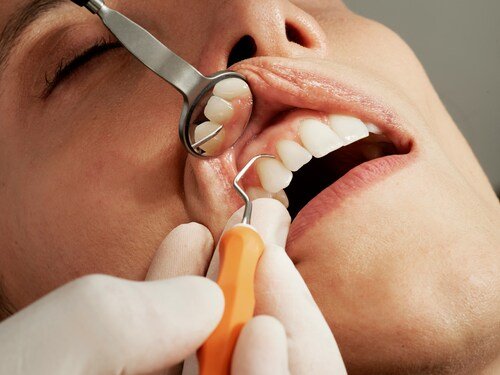
Visiting a dentist regularly is key to long-term oral health and avoiding preventable complications. Most dental issues arise slowly, without any apparent pain or symptoms. Dental professionals also monitor variations that could affect overall health, comfort, and daily functioning. Here’s why regular visits to a dentist are necessary:
General Dentistry
Dental care allows for the identification of cavities, gum disease, and enamel erosion at an early stage. When examining patients, a dentist evaluates areas that are difficult or impossible for patients to see on their own. Professional cleanings remove plaque, which can harden over time even with regular brushing. Preventive treatments strengthen the teeth and reduce the risk of decay. Signs of gum disease or abnormal wear patterns may prompt dental professionals to recommend adjustments to a patient’s oral hygiene routine. Addressing minor issues early helps prevent the need for extensive restorative procedures later. These preventive dental services form the foundation of effective oral care.
Dental Implants
Regular visits to a dental professional are valuable even before a dental implant is immediately needed. When teeth are missing, dentists monitor the surrounding bone and tissue to determine whether implant placement will be viable in the future. Early evaluation supports more accurate long-term implant planning and helps identify the need for preparatory procedures, such as bone grafting.
Because jawbone health changes gradually, professional monitoring plays a key role in successful implant outcomes. Dental professionals also assess how missing teeth affect bite alignment and chewing efficiency, both of which influence implant design and placement. Early intervention helps reduce complications that arise from delayed implant treatment. Consistent checkups maintain the structural conditions necessary for stable and long-lasting dental implants.
Endodontics
Routine visits to a dental professional are key to detecting problems inside the tooth before severe symptoms develop. Through clinical exams and imaging, endodontists identify issues such as deep decay, pulp inflammation, or infection within the tooth’s root canals. Early diagnosis increases the likelihood of saving the natural tooth and avoiding extraction.
Regular monitoring also prevents infections from spreading to surrounding tissues or even other areas of the body. Dentists assess subtle changes in sensitivity or discomfort, which patients often overlook, to catch issues at an early stage. Prompt endodontic treatment reduces pain and simplifies the procedure compared with delayed intervention. Consistent endodontic care verifies both the internal health of the tooth and overall oral stability.
Orthodontics
During checkups, dental professionals detect crowding, spacing problems, or bite irregularities. Early detection allows orthodontic treatments to begin at the optimal time for the best results. Proper tooth alignment improves oral hygiene by making cleaning more effective and reducing uneven wear on teeth. Dentists also monitor jaw growth and functional balance, which is necessary in children and adolescents. Tracking these changes over time helps orthodontists plan treatments that are more precise and effective. Preventive assessments often simplify future orthodontic procedures and can reduce the overall complexity of treatment.
Contact a Dentist for a Checkup Today
Routine checkups with a dental professional are key to preventing and controlling oral health problems. These appointments aid in early detection, sound decision-making, and long-term planning. Preventive care reduces pain and treatment complexity. Contact a dentist today to schedule your appointment.